

WRITTEN BY
Angus White
THE TEAM INCLUDED
Douglas Yee
David Moore
EXPERTISE INVOLVED
Economic & Market Analysis
8 MAY 2026 | 4 MIN READ | CLIENT: ACCIDENT COMPENSATION CORPORATION
Growth in service provision while access remains uneven and opportunities to be examined further
Sapere’s audiology market review for ACC examines growth in New Zealand’s hearing services, persistent access disparities, and options to improve funding and procurement.

The Audiology sector is changing internationally driven by demographic shifts, technological innovation, changes in funding and regulation and evolving models of service delivery.
Trends impacting the sector include:
- rising demand driven by demographic change and increased recognition of hearing loss and associated risks (with global audiology devices markets estimated to have had a compound annual growth rate of 7 to 8 per cent)
- technological advances in hearing devices
- emergence of over-the-counter hearing aids
- changing service delivery models
- market consolidation, concentration and vertical integration
- increased focus on equity and access
- workforce pressures and skill mix.
Like elsewhere, the New Zealand market is concentrated
The New Zealand market involves 3 main public funders (that together spend greater than ~$100 million per annum on services) alongside the private market. There is a high degree of vertical integration with manufacturers and hearing clinics and international market concentration also observed in New Zealand, with five multinational manufacturers accounting for 90 per cent of global hearing aid production.
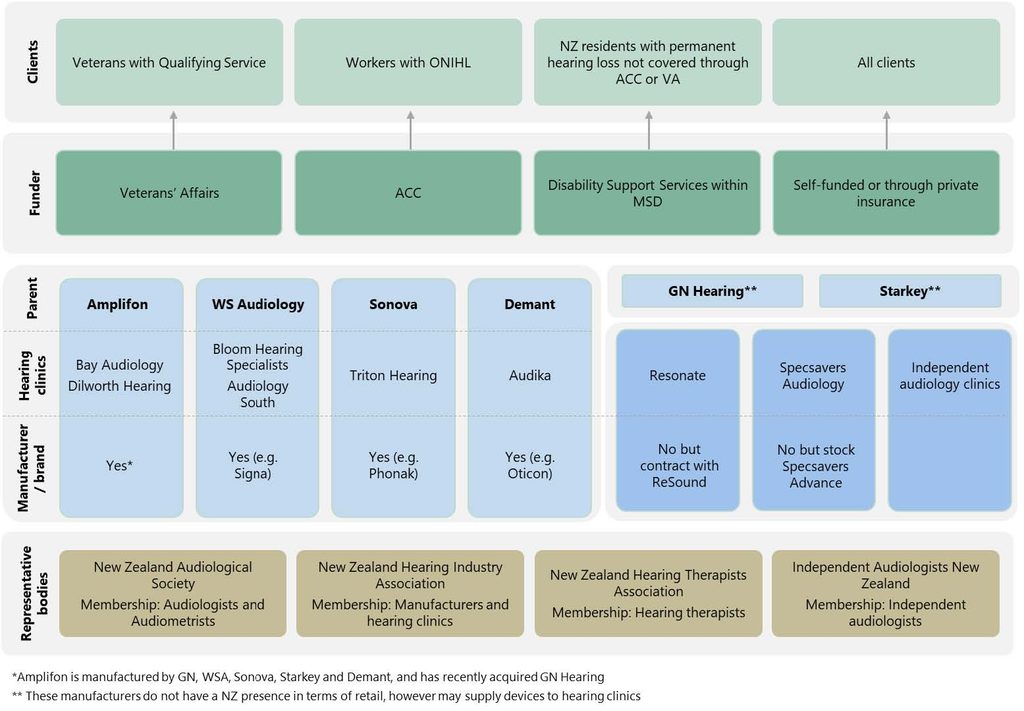
Figure 1: Overview of the New Zealand market
The provision of audiology services has grown in New Zealand but there are disparities in access
The New Zealand audiology market has experienced sustained growth over the past decade, reflected in more audiology providers and an expanding network of around 434 clinic locations.
However, access to audiology services is uneven. Geographic disparities persist, with rural and more remote regions experiencing lower service availability and workforce shortages. There are also inequities across population groups, with Māori, Pacific peoples, and some lower income groups less likely to access funded services or more likely to face higher barriers such as co payments (acknowledging these population inequities are experienced across the whole health sector and are not necessarily exclusive to audiology). These disparities are evident in both international and New Zealand evidence.
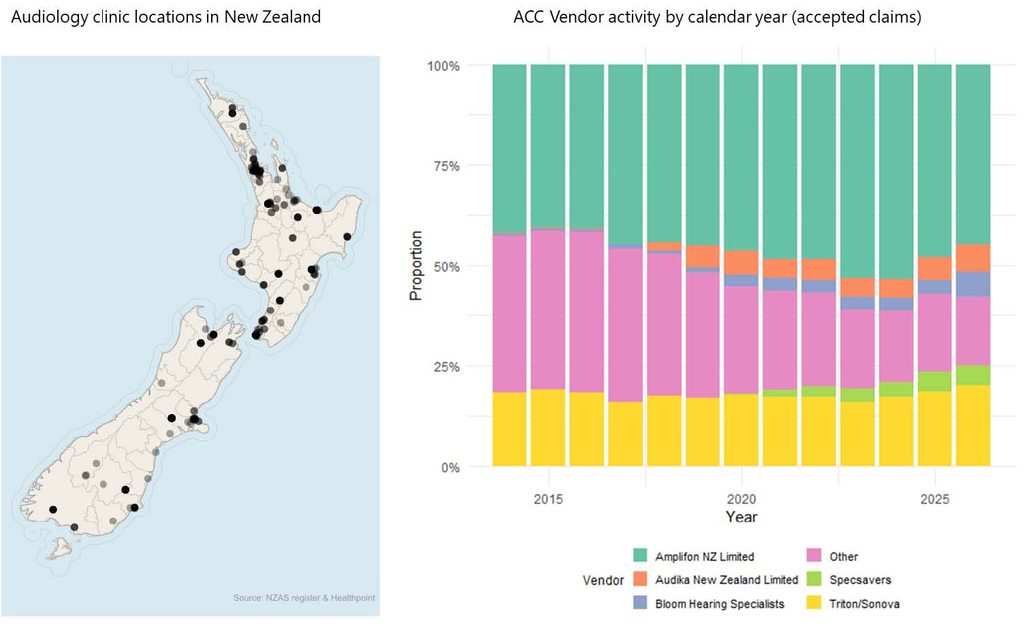
Figure 2: Audiology clinic locations and ACC Vendor activity for accepted claims
Looking at identified challenges and approaches taken internationally, we identified potential options worth exploring further
Our review has examined audiology funding and commissioning models in several comparable jurisdictions, including Australia (New South Wales, Victoria, and South Australia), Canada (Alberta, Ontario, and British Columbia), Denmark, and the United Kingdom to the extent possible. We found the following:
- Across these jurisdictions, a range of approaches are used to manage cost, access and quality. These include maximum fee schedules, approved device lists, bundled payments for services and devices, contracted provider models, and large-scale centralised procurement or mass tendering. While no single model is without challenges, international experience demonstrates that more active management of device selection, pricing, and service expectations can improve cost control, increase transparency, and reduce unwarranted variation in care.
- Common issues identified internationally include managing incentives in vertically integrated markets, ensuring equitable access, balancing clinical discretion with cost control, and maintaining responsiveness to technological change. Adjustments such as clearer separation of service and device funding, tighter governance of device choice, stronger use of contracting and performance requirements, and greater emphasis on prevention and early intervention have been used to help address these challenges.
Three potential contracting and funding options (with some variants) were identified together with targeted considerations to address identified challenges and achieve objectives shown below. Based on a high-level preliminary assessment of these options (relative to the status quo in terms of funding sustainability, intervention being based on client needs, costs to clients being manageable, equity of access, administrative efficiency, and risk), we suggested considering whether a combination of options was worth considering further in terms of potential design, merit, and application.
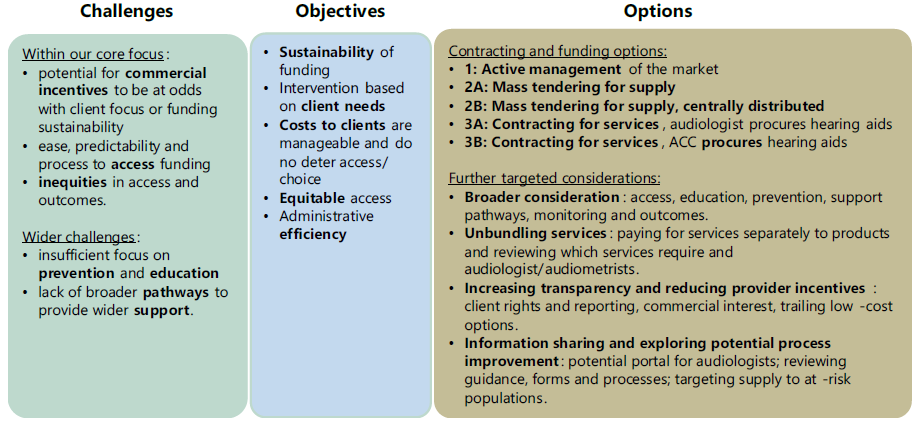
Figure 3: Overview of challenges, objectives, and options
Work is continuing consistent with our recommended next steps
We are pleased to see that, consistent with our recommended next steps, ACC is working with:
- Disability Support Services (DSS), Pharmac and New Zealand Government Procurement (NZGP) to explore the joint purchasing of hearing aids, and
- its External Reference group to inform potential cross-government arrangements.
Acknowledgements
Thank you to ACC as well as the audiology providers, professional and sector organisations, manufacturers, funders, client representatives and other stakeholders who contributed their time, information and insights.
A final reflection
At Sapere, our research helps guide government policy and procurement arrangements and provides evidence to inform decisions that affect communities across New Zealand. Market studies and Reviews such as this one are important for understanding the market and ensuring public funding is targeted effectively.